Dark Web Market Sites - A Comprehensive Overview
This guide is for those seeking to understand dark web markets and assess their risks and legality.
Dark Web Services Overview
This selection highlights key services that enhance user experience within the network. Each offers unique features aimed at privacy and security.

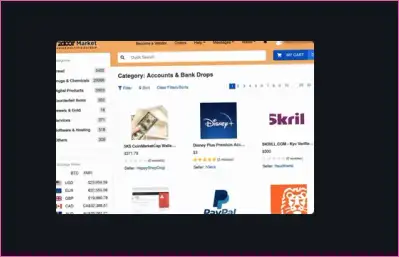

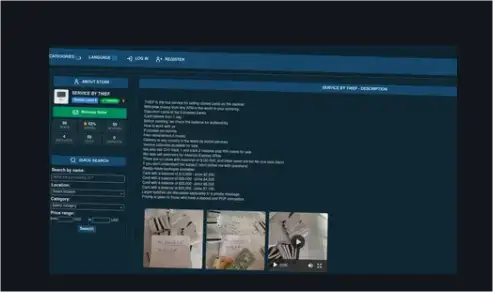

For most readers, "How to Assess a Market Claim Without Trusting the Site" is the strongest starting point because it supports safer evaluation without encouraging transactions. Readers seeking basic context should begin with "What Dark Web Market Sites Are" and "How Darknet Marketplaces Operate". Those concerned about possible contact, data loss, or criminal liability should prioritise the sections on security risks, exposure response, and legal consequences.
Selection Criteria
Dark Web Market Sites - A Comprehensive Overview
| Description | Current Status | Common Offerings | Access Method | Risks | Trustworthiness | |
|---|---|---|---|---|---|---|
| What Dark Web Market Sites Are | Various platforms for buying/selling illicit goods | Active, inactive, or seized | Drugs, weapons, stolen data | Tor browser, VPNs | Legal and security risks | Listings often misleading |
| Notable Dark Web Markets: Historical Examples and Current Status | Examples include Silk Road, AlphaBay | Some seized, some closed voluntarily | Variety of illegal goods and services | Tor browser required | High risk of scams and law enforcement action | Historical data can inform current status |
| How Darknet Marketplaces Operate | Decentralised platforms with user ratings | Varies by market, some active | User-generated listings | Access via Tor, anonymity tools | Potential for scams and law enforcement infiltration | User reviews not always reliable |
| What These Markets Commonly Offer—and Why Listings Cannot Be Trusted | Illicit goods and services | Dynamic; some markets may be shut down | Drugs, hacking services, counterfeit items | Access through specific software | High risk of fraud | Listings may be outdated or false |
| How Dark Web Sites Are Accessed—and the Limits of Anonymity | Access via Tor and VPNs | Anonymity not guaranteed | Requires specific software | Legal risks from browsing | IP address exposure possible | Anonymity tools can fail |
| How to Assess a Market Claim Without Trusting the Site | Cross-reference with external sources | Varies; some markets have reliable data | User feedback and historical performance | Access through Tor, VPNs | Risk of misinformation | Independent verification needed |
| Legal and Regulatory Risks | Potential for criminal charges | Varies by jurisdiction | Engaging in illegal transactions | Access via Tor, VPNs | Legal consequences for participation | Awareness of local laws essential |
| Security Risks and What to Do After a Suspected Exposure | Malware, scams, law enforcement scrutiny | Varies; some markets are more secure | Data breaches, phishing attempts | Use of security software recommended | Exposure can lead to identity theft | Immediate action recommended for suspected breaches |
What Dark Web Market Sites Are
Dark web market sites are platforms where users can buy and sell a variety of goods and services, often illicit in nature. These marketplaces operate on the dark web, a part of the internet that requires specific software, such as the Tor browser, to access. Unlike ordinary websites or forums, which are indexed by search engines and accessible through standard browsers, dark web markets are hidden and designed to provide anonymity for both buyers and sellers.
In analogy to more familiar e-commerce platforms like Amazon or eBay, buyers on dark web markets browse listings for products, while vendors create and manage their own shops. Administrators oversee the marketplace, ensuring transactions proceed smoothly, while intermediaries may handle disputes or provide escrow services. However, the risks involved are significantly higher due to the potential for scams, law enforcement infiltration, and legal repercussions.
It's essential to differentiate the dark web from the deep web. The deep web comprises all parts of the internet not indexed by search engines, such as private databases and archives, while the dark web specifically refers to encrypted networks that require special tools for access. This distinction highlights that while much of the deep web is legal and benign, the dark web is often associated with illegal activities and heightened risks.
For those considering engagement with these sites, awareness of the legal and security implications is crucial. Understanding the roles of various participants in these marketplaces can help inform safer navigation and interaction.
Notable Dark Web Markets: Historical Examples and Current Status
A range of dark web markets have gained notoriety for their operations, closures, and the variety of illicit goods they facilitated. The table below outlines prominent examples, detailing their known focus, years of operation, last verified status, and reasons for closure or uncertainty.
| Market Name | Known Focus | Years of Operation | Last Verified Status | Reason for Closure or Uncertainty |
|---|---|---|---|---|
| Silk Road | Drugs, counterfeit goods | 2011 - 2013 | Seized in October 2013 | Law enforcement seizure after extensive investigation. |
| AlphaBay | Drugs, hacking services, stolen data | 2014 - 2017 | Seized in July 2017 | Law enforcement operation led to its shutdown. |
| Hansa | Drugs, counterfeit items | 2015 - 2017 | Seized in July 2017 | Infiltrated by law enforcement prior to seizure. |
| Hydra Market | Drugs, digital goods, counterfeit items | 2015 - Present | Active as of 2023 | No confirmed law enforcement actions reported recently. |
| Genesis Market | Stolen data, account credentials | 2018 - Present | Active as of 2023 | No confirmed law enforcement actions reported recently. |
| Wall Street Market | Drugs, counterfeit goods | 2016 - 2019 | Seized in May 2019 | Law enforcement operation led to its shutdown. |
The listed markets illustrate the dynamic nature of dark web marketplaces, where many have been shut down due to law enforcement actions, while others continue to operate under the radar. It is crucial for the reader to approach these markets with caution, understanding both the legal implications and the inherent risks associated with engaging in such environments. For those interested in further exploring dark web topics, insights into dark website hackers can provide additional context on security concerns.
How Darknet Marketplaces Operate
Darknet marketplaces function as decentralised platforms where users can browse listings and interact with vendors. Each marketplace typically features user-generated listings alongside vendor profiles that offer insights into their history and product offerings. Reputation systems are crucial; they allow buyers to assess vendors based on previous transactions and user feedback.
Escrow services play a pivotal role in facilitating trust. They temporarily hold cryptocurrency payments until both parties confirm the completion of a transaction. Dispute handling mechanisms are also in place to resolve conflicts, although their effectiveness can vary significantly across platforms. Payments are predominantly made using cryptocurrencies, providing a layer of anonymity. Some markets even employ multisignature transactions, requiring multiple signatures for the release of funds, enhancing security.
Despite these trust mechanisms, vulnerabilities exist. Administrator theft can occur if marketplace operators exploit their position. Fabricated ratings may mislead buyers, and account takeovers can compromise vendor profiles, leading to fraudulent transactions. Exit scams, where operators abruptly shut down and disappear with users' funds, remain a significant risk.
The following diagram illustrates a simplified transaction flow in a darknet marketplace, highlighting key interactions:
[Buyer] → [Marketplace] → [Vendor]
     ↓                 ↓
  Escrow Service  Dispute Handling
Understanding these operational aspects is essential for anyone considering engagement with darknet markets. While some users may find value in the anonymity and variety of offerings, the risks associated with scams and legal repercussions require careful consideration.
What These Markets Commonly Offer—and Why Listings Cannot Be Trusted
Dark web markets typically offer a range of illicit goods and services, including stolen credentials, counterfeit documents, malware, illicit drugs, and various fraudulent services. While these offerings may seem appealing, the reliability of listings is often questionable. Users may encounter fake listings, mislabeled products, or items that are illegal to possess.
Scammers and law enforcement may use deceptive tactics, such as planting fake listings to trap unsuspecting buyers. For instance, in 2017, the operation of the AlphaBay market was shut down after it was infiltrated by law enforcement, which revealed that many listings were misleading or fabricated to lure in customers. Similarly, the Hansa market was taken over by authorities, who used it to gather information on users while maintaining a façade of normal operations.
The high risk of fraud extends beyond misleading listings. Users may also find themselves in legal jeopardy, as possession of certain items can lead to criminal charges. The dark web's anonymity is not foolproof; law enforcement agencies have become increasingly adept at tracking illicit activity, leading to numerous market closures and arrests.
In summary, while dark web markets may provide access to a variety of illicit goods and services, caution is paramount. The potential for scams and legal consequences makes it essential for users to approach these markets with a critical eye. For further insights into navigating the dark web, understanding dark website hackers can provide useful context on security and risk management.
How Dark Web Sites Are Accessed—and the Limits of Anonymity
Accessing dark web sites requires specific tools, primarily the Tor browser, which facilitates browsing through onion services. These services use .onion addresses, which normal browsers cannot resolve due to their unique encryption methods. Tor creates a network of volunteer-operated servers that anonymise user traffic, allowing individuals to navigate the dark web without revealing their identities.
However, the belief that Tor guarantees complete anonymity is a misconception. Various vulnerabilities can expose users to risks. Browser exploits can be leveraged by malicious actors or law enforcement, compromising anonymity. Additionally, metadata generated during internet use can reveal user activity. Cryptocurrency transactions, often perceived as anonymous, can be traced back to individuals through sophisticated tracking techniques. Operational security mistakes—such as using identifiable usernames or revealing personal information—further increase the likelihood of exposure.
While Tor can be employed for lawful privacy purposes, such as secure communication and information sharing, it is also used to facilitate illegal activities. Distinguishing between these uses is crucial. Legal privacy applications focus on protecting sensitive information, while illicit access often supports activities like drug trafficking, hacking, and the sale of stolen data.
Awareness of these limitations is essential for anyone considering accessing dark web markets. The potential for compromised anonymity coupled with the legal implications of browsing these sites necessitates a cautious approach. Understanding the risks and operational security measures is vital for navigating this complex environment. For further insights on security concerns, readers may find it beneficial to explore information on dark website hackers.
How to Assess a Market Claim Without Trusting the Site
Evaluating claims made by dark web markets requires a systematic approach. Relying solely on the site’s information is risky. A verification checklist can help in assessing the credibility of a market.
- Independent Reporting: Look for news articles or reports from reputable sources that cover the market's activities and claims. This can provide context and verification of their operations.
- Law Enforcement Notices: Check for any announcements from law enforcement agencies regarding the market. These often indicate whether a market is under investigation or has been shut down.
- Threat-Intelligence Research: Review findings from cybersecurity firms that track dark web activity. Their insights can highlight risks associated with specific markets.
- Consistency Across Multiple Sources: Ensure that claims made by the market are corroborated by various independent sources. Inconsistencies may indicate misinformation.
Warning signs to be cautious of include:
- Phishing Clones: Markets that closely resemble established platforms but are designed to steal credentials.
- Recently Registered Clearnet Gateways: New domains that act as entry points for dark web markets can be suspicious.
- Unverifiable Mirrors: Sites claiming to be mirrors of established markets without verification can be fraudulent.
- Guaranteed-Anonymity Claims: No market can guarantee complete anonymity; such claims should raise red flags.
- Mandatory Deposits: Markets requiring upfront payments may be trying to scam users.
- Conflicting Status Reports: Discrepancies in operational claims across different platforms can indicate issues.
Every status claim should include a visible "last checked" date and source citation, which helps establish credibility. Avoid relying on onion addresses; instead, focus on the information presented in the clearnet. By following these guidelines, the reader can better navigate the complexities of dark web market claims.
Legal and Regulatory Risks
Understanding the legal landscape surrounding dark web market sites is crucial. The legality of using Tor or visiting a dark web site does not equate to the legality of purchasing, possessing, selling, laundering proceeds, or conspiring to commit an offence. Laws vary significantly by jurisdiction, meaning that actions considered legal in one area may be criminalised in another.
Cryptocurrency transactions, often seen as a shield against regulatory scrutiny, do not exempt users from Anti-Money Laundering (AML), Know Your Customer (KYC), sanctions, customs, or asset-forfeiture laws. For example, the seizure of Silk Road in 2013 highlighted the consequences of engaging in illegal transactions, as law enforcement acted following extensive investigations into the site's activities. Similarly, Hansa, which was operational until 2017, was taken over by law enforcement, allowing authorities to gather information on users while it appeared to operate normally.
The 2022 seizure of Hydra Market further illustrates these risks. Despite its long-standing presence and perceived security, law enforcement successfully dismantled the operation, demonstrating that even established markets are not immune to legal action.
For individuals considering engagement with dark web markets, it is essential to recognise that the risks extend beyond mere browsing. The potential for legal repercussions remains significant, and understanding the legal context in which these markets operate is vital. Awareness of these legal and regulatory risks can inform safer decision-making when navigating the dark web. For further insights into security concerns, exploring information on dark website hackers may be beneficial.
Security Risks and What to Do After a Suspected Exposure
Exposure to dark web market sites can lead to various security risks, including phishing, malware, credential theft, wallet theft, extortion, doxxing, surveillance, scams, and exit fraud. Users may encounter phishing attempts that mimic legitimate sites, malware hidden in downloads, or scams promising goods that never arrive. Additionally, the risk of doxxing, where personal information is exposed, can lead to further harassment or threats.
In the event of a suspected exposure, a defensive response is crucial. The following checklist outlines immediate actions to take:
- Stop Interacting: Cease any further engagement with the site or content.
- Avoid Sending Funds: Do not transfer any cryptocurrency or funds until the situation is assessed.
- Preserve Relevant Evidence: Take screenshots or save any pertinent information that may help in investigations.
- Scan or Isolate the Affected Device: Run antivirus or anti-malware software to detect and remove potential threats, or disconnect the device from the internet.
- Rotate Exposed Credentials from a Clean Device: Change passwords and security questions for any accounts that may have been compromised, using a secure device.
- Contact the Appropriate Financial Institution or Authority: Report potential theft or fraud to banks, credit card companies, or law enforcement.
Specific actions may vary based on the level of interaction with the suspicious site:
- Merely Opening a Suspicious Page: Close the browser and clear cache and cookies.
- Entering Credentials: Change passwords immediately and monitor accounts for unusual activity.
- Downloading a File: Scan the file with antivirus software and consider removing it.
- Transferring Cryptocurrency: Alert the wallet provider of potential theft and monitor for unauthorized transactions.
Maintaining vigilance is essential for anyone navigating dark web markets. Understanding these risks and knowing how to respond can mitigate potential harm. For further insights on security concerns, exploring information on dark website hackers can provide useful context.
Pros and Cons of Assessing Dark Web Market Sites
Upsides
- Independent reporting and law-enforcement notices can expose shutdowns, seizures, and misleading claims without requiring direct market interaction.
- Comparing status reports across several independent sources makes inconsistencies and fabricated availability claims easier to identify.
- Threat-intelligence research can reveal phishing clones, malware risks, exit scams, and other known security concerns.
- Visible source citations and "last checked" dates help the reader judge whether a market-status claim is current and verifiable.
Weaknesses
- No assessment can confirm that a market remains genuine or operational after the latest source check.
- A site may appear to function normally while being monitored or controlled by law enforcement.
- Tor and cryptocurrency do not guarantee anonymity because browser exploits, metadata, transaction tracing, and user mistakes can expose identities.
- Verification does not remove the risks of fraud, credential theft, malware infection, financial loss, or criminal liability.
Q&A
Is it illegal to buy stuff off the dark web?
It depends on the item and jurisdiction. Buying lawful goods is not automatically criminal because Tor was used, but controlled substances, stolen data, malware and prohibited weapons can trigger offences involving purchase, possession, importation or conspiracy. The reader should check local criminal, customs and sanctions rules before taking any action.
Which dark web market sites are still active?
No static list is dependable. Markets can disappear, become exit scams, move addresses or continue operating under law-enforcement control without warning. Check dated notices from law-enforcement agencies, established news outlets and threat-intelligence researchers rather than trusting availability claims from the market or its promoters.
How can I tell whether a dark web market link is a phishing clone?
Appearance alone proves nothing. Compare the complete address against several independent, reputable sources, and reject links distributed through unsolicited messages, adverts or unverified mirror directories. Unexpected login changes, requests for a recovery phrase, compulsory deposits or conflicting addresses are reasons to close the page without entering data.
Can dark web cryptocurrency transactions be traced?
Yes, many can be traced. Public blockchains preserve transaction histories, while address reuse, exchange records and links between wallets can connect transfers to identifiable activity. Privacy features may obscure parts of the trail, but they do not prevent exposure through compromised devices, regulated services or operational mistakes.
What should I do if I entered information or downloaded a file from a dark web site?
Treat the device and submitted information as compromised. Disconnect the affected device, avoid opening the file, and use a separate clean device to revoke active sessions, change reused passwords and secure financial accounts. Preserve the address, filename and relevant messages for a security professional or authority, but do not forward the suspected file to other people.
Final Verdict: What to Choose
What should most readers choose? Clearnet research is the safer default.
- Choose: independent reporting, official notices and established threat-intelligence analysis when checking a market’s identity, status or reported risks.
- Choose another approach: for academic, journalistic or defensive security research, use controlled access under organisational rules and local legal guidance. Understanding Darknet Sites explains the wider site landscape.
- Avoid: direct transactions, account creation, downloads, deposits and links promoted through private messages or unverified directories.
No market should be treated as trustworthy merely because it is reachable or has positive reviews. If a decision requires sending funds, sharing credentials or breaking local law, the practical verdict is to stop.
Explore More About the Dark Web
Dive deeper into our resources for a better understanding.