From Cloned Cards to Captured Criminal: A 72-Hour Reckoning
The story of Mark T. serves as a cautionary tale of how swiftly digital crime can unravel. Within a mere 72 hours, a seemingly clever scheme led to a five-year prison sentence.
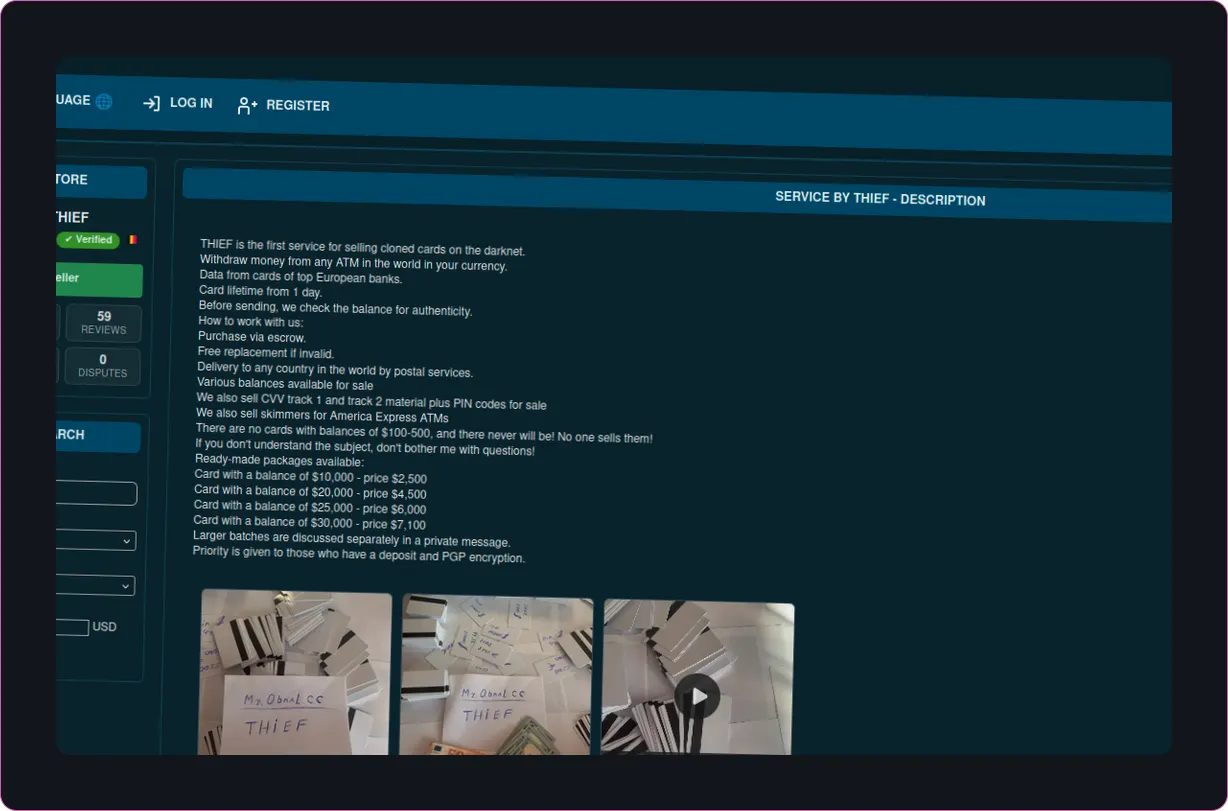
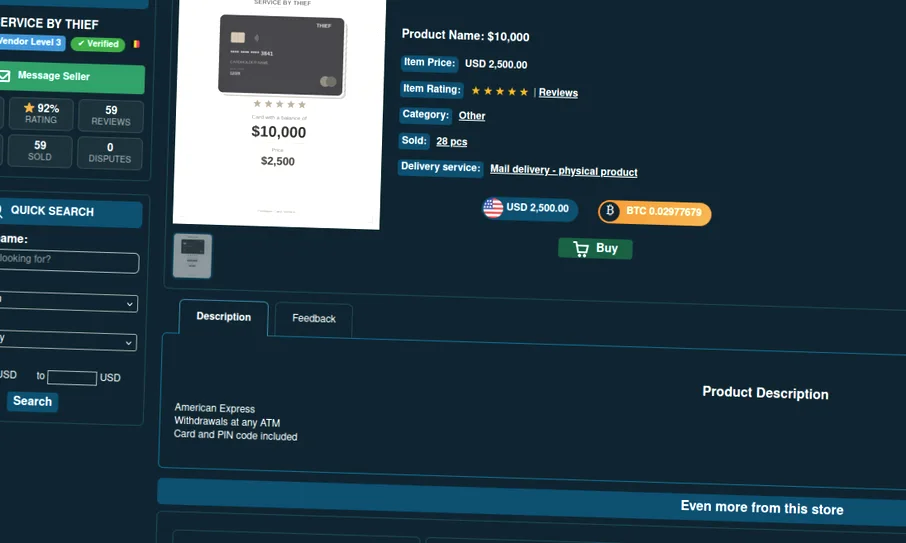
In November 2024, Mark T., a 34-year-old from Tampa Bay, Florida, believed he had discovered a straightforward way to make money. He spent $480 in cryptocurrency on a set of six cloned debit cards containing stolen PIN codes, acquired from a darknet marketplace. Initially successful, he withdrew a total of $4,200 from three ATMs before his operation came to a halt at a fourth ATM—an experience that would culminate in his arrest just 15 days later. This account highlights how a complex web of digital evidence, driven by advanced surveillance technology, can swiftly lead to a criminal's downfall.
Mark purchased the cloned cards on a marketplace that remains unnamed in this account.
Quick summary
- Criminals underestimate ATM surveillance capabilities.
- Geographical patterns trigger anti-fraud alerts.
- KYC regulations can link identity to crypto purchases.
- Consumer education can reduce fraud impact.
- Digital and physical evidence integration is vital for investigations.
- UNDERSTANDING CARDING: THE PROCESS
- Skimming or Data Breach: Criminals gather magnetic card tracks—track 1 or track 2—utilising skimmers at ATMs, shimmer devices, or phishing, or by purchasing data on darknet markets.
- Embossing: The stolen data is transferred onto blank plastic cards, giving the appearance of legitimate ones, complete with embossed details like name, expiration date, and card number.
- PIN Code Acquisition: If the PIN has been compromised through an overlay keypad or hidden camera, the buyer gains full access to withdraw cash.
- Cash-out: The user withdraws cash from ATMs quickly, ideally before the victim realises their card has been compromised.
- Laundering: The withdrawn cash is converted into cryptocurrency via a Bitcoin ATM or peer-to-peer exchange, obscuring the trail.
- THE HIDDEN DANGERS OF ATM TECHNOLOGY
Modern ATMs are equipped with advanced surveillance systems that significantly increase the risk for criminals. Key features include:
- Built-in Camera: Records high-definition video of customers, often with night vision capabilities.
- Hidden Camera: Many ATMs include an additional discreet camera for capturing different angles.
- Transaction Log: Details about each withdrawal are recorded, including time, amount, card number, and ATM ID.
- Geolocation Data: ATMs can determine and transmit their location to banking systems.
- Network Logs: Logs maintain records of requests sent to the bank’s processor, including metadata about those connections. When Mark approached the fourth ATM, he was captured on camera, providing law enforcement with clear footage—an oversight that would lead to his identification. "Criminals often misjudge the anonymity of the darknet; ATMs bridge the gap between digital anonymity and physical presence. Here, the anonymity disappears."
Modern ATMs as surveillance tools.
- THE INVESTIGATIVE TIMELINE
The investigation unfolded rapidly:
- Day 1: Three victims in different states reported unauthorized transactions and alerted their banks.
- Day 3: Banks' anti-fraud systems detected a pattern of withdrawals from identical cloned cards across states, triggering an emergency response.
- Day 5: The case was handed over to the U.S. Secret Service, responsible for financial crime investigations.
- Day 8: Video footage from the ATM identified Mark T., with additional transaction data revealing all withdrawals occurred near his home.
- Day 12: Investigators obtained a warrant for digital evidence, revealing Mark’s online activities and linking his cryptocurrency purchases to specific transactions on the darknet marketplace.
- Day 14: A search of his residence uncovered critical evidence including cloned cards, a magnetic stripe writer, and a laptop showcasing his online activities.
- Day 15: Mark was arrested and confessed to his scheme, admitting to having used four of the six cards before they were blocked.
- THE NUMBERS: A CLOSER LOOK
Mark’s actions involved the following sums and legal consequences:
- Cash-outs made: 4; money taken out: $4,900; price paid for the cards: $480; wait before arrest: 15 days; prison term: 5 years (60 months); fines and repayment: $22,000; supervision after release: 3 years
- ANALYSIS OF CRYPTOCURRENCY IN MARK’S SCHEME
Mark opted to pay for the cloned cards using Monero, a cryptocurrency known for its focus on privacy. Despite this, investigators traced his activities back to him. The investigation revealed several critical points:
- Purchase Source: Mark bought Monero from a centralized exchange where he completed KYC verification, tying his identity to the transaction.
- Timing: The timing of Monero purchase, card acquisition, and ATM withdrawals was closely aligned, raising suspicions.
- Physical Evidence: The cloned cards corresponded to the magnetic tracks of actual victims, providing physical evidence against him.
- Visual Confirmation: The recorded video footage served as irrefutable evidence, linking Mark directly to illegal activities.
- COMMON MISTAKES LEADING TO ARREST
Mark's actions were riddled with missteps that contributed to his downfall:
- Geographic Concentration: All ATM withdrawals took place within a 40-mile radius of his home, raising red flags for anti-fraud systems.
- Lack of Disguise: He made no effort to hide his identity, leading to immediate identification through video footage.
- Utilising Centralised Exchanges: His use of a KYC-exchange linked his identity to his crypto activities.
- LESSONS FOR SECURITY PROFESSIONALS
Mark's case illustrates how effective security measures can thwart even seemingly clever criminals. Important lessons include:
- Anti-fraud systems are crucial in detecting patterns that can prevent further losses, and banks should enhance investments in machine learning models.
- Integration of physical and digital evidence is necessary, as both play a role in successful investigations.
- Cryptocurrencies marketed as anonymous offer no true anonymity when entry and exit points are monitored through KYC processes.
- Educating consumers on detecting fraud can minimise victims' losses by prompting quicker responses to suspicious activity.
FINAL THOUGHTS
Mark T. pled guilty in March 2025 to fraud and money laundering charges, receiving a five-year federal prison sentence, plus a $22,000 fine and restitution to his victims. During sentencing, the judge remarked that while Mark was not the scheme's mastermind, his actions as the buyer had serious consequences. Notably, those higher up the scheme often remain elusive, leaving law enforcement with ongoing challenges.